What is Avalanche Evergreen 2026?
Avalanche Evergreen is an institutional blockchain infrastructure initiative launched by Ava Labs. It provides out-of-the-box, customizable Layer 1 chains designed specifically for financial institutions and enterprise use cases. Rather than relying on generic public networks, Evergreen offers tailored deployments that address company-specific compliance, security, and performance requirements.
This approach allows organizations to deploy private or permissioned blockchains that maintain the core benefits of the Avalanche network, such as sub-second finality and low transaction fees, while adhering to strict regulatory standards. The initiative includes specialized tooling and support structures to facilitate seamless integration with existing enterprise systems.
As the Web3 landscape evolves toward greater institutional adoption, Evergreen positions Avalanche as a viable alternative to Ethereum for high-throughput, regulated applications. By offering dedicated infrastructure, it aims to reduce the technical barriers that often hinder large-scale enterprise blockchain adoption, providing a robust foundation for future financial innovations.
Avalanche evergreen 2026 choices that change the plan
Choosing an Avalanche Evergreen deployment involves balancing institutional compliance against the flexibility of the broader ecosystem. Evergreen L1s are custom, out-of-the-box blockchains designed for financial institutions, offering a distinct set of advantages and constraints compared to standard public subnets or layer-2 solutions. Evaluating these tradeoffs requires looking at speed, cost, and regulatory alignment.
Regulatory Alignment vs. Open Innovation
Evergreen chains are built with institutional-grade compliance tools, such as native KYC/AML integration and permissioned access controls. This is a significant advantage for banks or asset issuers that must meet strict regulatory standards. However, this structure limits the open, permissionless nature that drives community-driven innovation in DeFi. If your strategy relies on rapid, community-led experimentation, the gated nature of Evergreen may slow down iteration compared to a public subnet.
Sub-second Finality vs. Ecosystem Liquidity
Avalanche’s consensus mechanism offers sub-second transaction finality and significantly lower fees compared to Ethereum. This speed is critical for high-frequency trading and real-time settlement. The tradeoff is liquidity fragmentation. While Evergreen chains are fast, they do not automatically inherit the deep liquidity pools of the C-Chain or Ethereum L2s. You may need to bridge assets or build initial liquidity markets, which adds complexity and counterparty risk.
Customization vs. Maintenance Overhead
Evergreen deployments allow for deep customization of the virtual machine and governance parameters to fit specific industry needs. This flexibility comes with the responsibility of maintaining that custom infrastructure. Unlike using a standard Ethereum L2 where security and upgrades are handled by the base layer, Evergreen chains may require dedicated engineering resources to manage node operations, security patches, and network upgrades, increasing your long-term operational costs.
| Feature | Evergreen L1 | Public Subnet | Ethereum L2 |
|---|---|---|---|
| Compliance | Native KYC/AML | Optional/Manual | Limited |
| Finality | Sub-second | Sub-second | Seconds to Minutes |
| Liquidity | Fragmented (New) | Shared or New | Deep (Shared) |
| Maintenance | High (Custom) | Medium | Low (Managed) |
How to evaluate Avalanche Evergreen for your infrastructure
Avalanche Evergreen is not a single product but a suite of customized Layer 1 blockchains and tooling designed for institutional deployments. Ava Labs built these out-of-the-box chains to handle company-specific and industry-wide compliance requirements that public networks often struggle with. Choosing the right path requires matching your technical needs against specific operational constraints.
Use this framework to determine which Evergreen configuration aligns with your 2026 strategy.

Institutional chains require strict identity controls. Determine if you need a permissioned validator set or a fully public chain with KYC-gated access. Evergreen L1s allow you to embed these rules directly into the protocol, ensuring that only verified entities can interact with sensitive financial data.
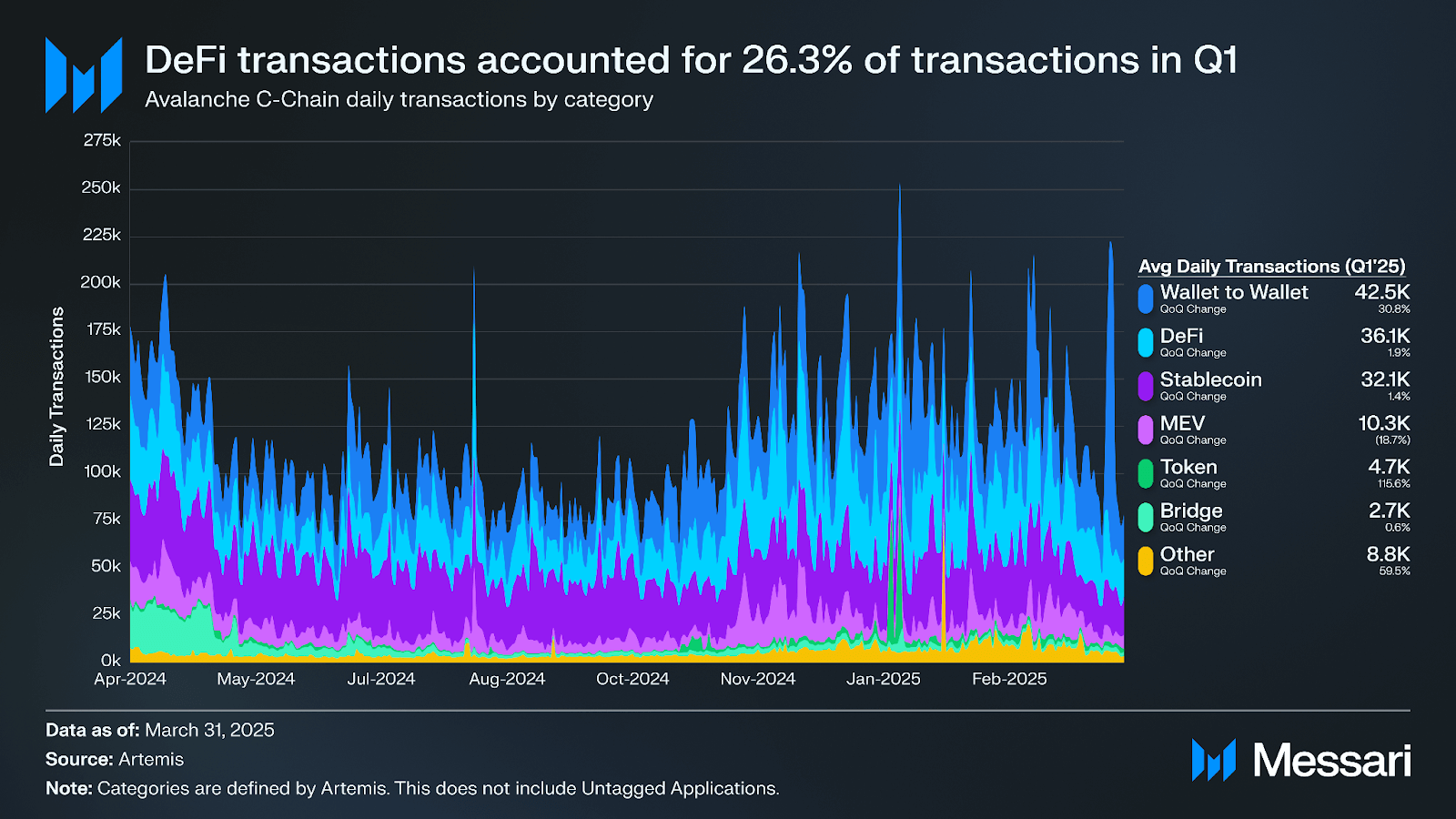
Not all business logic fits the same model. Choose a subnet type that matches your throughput needs. Financial institutions often prefer Custom VMs for complex asset logic, while Gaming or Supply Chain use cases may benefit from Subnet-EVM compatibility for easier developer onboarding.

Avalanche’s sub-second finality is its primary advantage over Ethereum for high-frequency trading. Calculate your expected transaction volume to ensure the custom chain’s fee structure remains viable. Unlike public chains where gas spikes can halt operations, Evergreen chains offer predictable costs tailored to your enterprise budget.

Isolation is rarely an option for modern enterprises. Ensure your Evergreen chain can bridge assets to other Avalanche subnets or external networks via C-Chain or X-Chain. This connectivity allows you to maintain compliance on your private chain while still participating in the broader DeFi or liquidity ecosystem.
Watchouts: Misleading Claims and Weak Options
Avalanche Evergreen positions itself as the institutional standard for blockchain deployments, but scrutiny reveals specific trade-offs that buyers often overlook. The initiative offers out-of-the-box L1s tailored for financial institutions, yet the underlying architecture still relies on shared subnet security models that may not satisfy every compliance requirement. Understanding these nuances prevents costly integration errors.
The "Ready-to-Deploy" Myth
Marketing materials emphasize instant deployment, but true institutional readiness requires significant customization. While Evergreen provides a robust foundation, companies must still build custom bridges, identity layers, and governance structures. Assuming the platform is plug-and-play for regulated assets leads to underestimated implementation timelines and hidden development costs.
Subnet Security Trade-offs
Avalanche’s subnet architecture allows for independent security parameters, which is both a strength and a vulnerability. If a custom subnet is poorly configured or under-resourced, it remains isolated from the primary Avalanche C-Chain security. This fragmentation means that not all Evergreen deployments inherit the same level of robustness, creating potential entry points for exploits in less mature subnets.
Ethereum Comparison Oversimplification
Comparisons highlighting Avalanche’s speed and lower fees often ignore Ethereum’s mature ecosystem and liquidity depth. While AVAX offers sub-second finality and cheaper transactions, Ethereum’s Layer 2 scaling solutions are rapidly closing the gap on speed while retaining superior network effects. For enterprises prioritizing liquidity and developer availability, Avalanche’s technical advantages may not outweigh the network maturity gap.
Future Viability Concerns
The long-term future of Avalanche depends on sustained institutional adoption beyond pilot programs. Current price predictions for AVAX in 2026 range widely, reflecting uncertainty in market sentiment. Without a clear path to mass enterprise adoption, the network risks remaining a niche solution for specific high-throughput use cases rather than becoming a foundational layer for global finance.
Avalanche evergreen 2026: what to check next
Readers often ask how Avalanche’s institutional push, technical upgrades, and market positioning compare to established chains. The following answers address the most common practical objections and search queries for 2026.
Helpful gear
Use these product recommendations as a starting point, then choose the size, material, and price point that fit how you actually use the gear.


As an Amazon Associate, we may earn from qualifying purchases.
No comments yet. Be the first to share your thoughts!