Defining the Avalanche Evergreen Strategy
Avalanche Evergreen is not a single product or a specific token. It is a strategic suite of Layer 1 customizations, subnets, and tooling designed specifically for institutional compliance and scalability. Think of it as a modular toolkit rather than a standalone application. This distinction matters because it allows financial institutions to build private, permissioned networks that sit atop the Avalanche infrastructure while maintaining the security guarantees of the mainnet.
The strategy addresses the friction points that traditionally prevent banks and hedge funds from adopting blockchain technology. By offering customizable L1s, Evergreen allows organizations to define their own governance rules, compliance layers, and fee structures. This flexibility is critical for entities that must adhere to strict regulatory frameworks, such as GDPR or local financial data laws, which often clash with public, transparent ledgers.
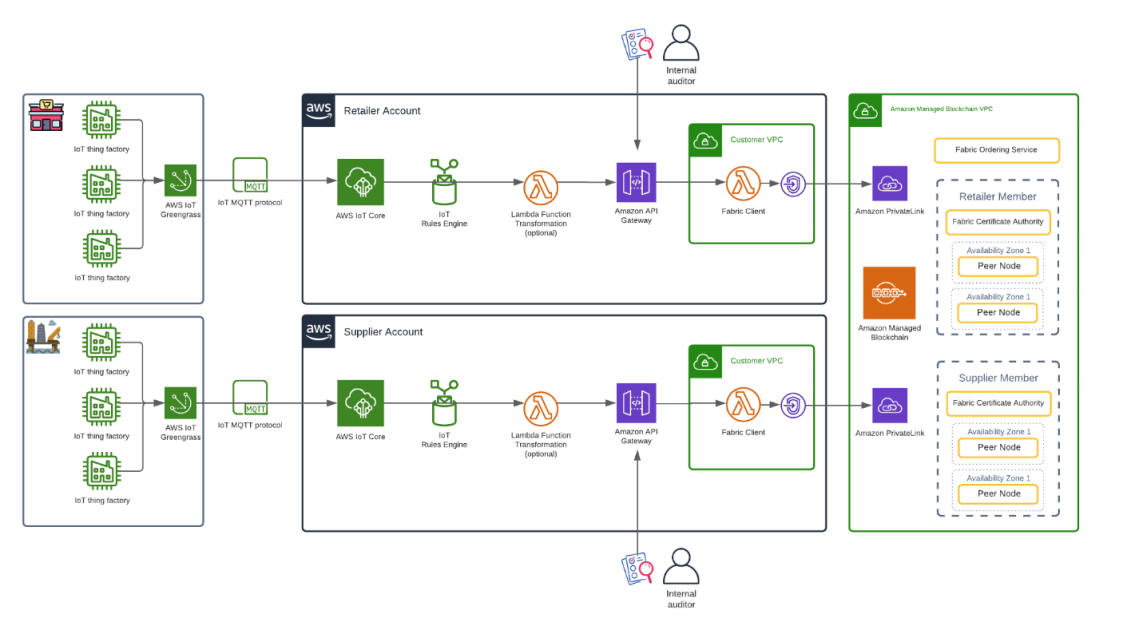
A key component of this ecosystem is the integration with AWS. Ava Labs has partnered with Amazon Web Services to provide one-click node deployment and scalable infrastructure support. This partnership ensures that institutional players can deploy their Evergreen subnets with the same reliability and security standards they expect from their existing cloud environments. It bridges the gap between traditional IT operations and decentralized finance infrastructure.
The practical application of this strategy is visible in initiatives like the Spruce testnet, which demonstrates how private networks can operate independently yet remain interoperable with the broader Avalanche ecosystem. This approach enables institutions to experiment and launch compliant financial products without exposing sensitive data to the public chain. The result is a scalable, secure, and compliant environment tailored for high-stakes financial operations.


As an Amazon Associate, we may earn from qualifying purchases.
Infrastructure tools for institutional subnets
Avalanche Evergreen addresses the friction that typically stops financial institutions from adopting blockchain. Instead of forcing institutions to build from scratch or compromise on compliance, the strategy offers modular infrastructure tools designed for high-stakes environments. The core value lies in lowering the barrier to entry while maintaining the security and customizability that buy- and sell-side firms require.
The Spruce testnet serves as the primary proving ground for this approach. It allows institutions to engage with public blockchain infrastructure in a low-risk environment. Buy- and sell-side participants can test subnet configurations, validate compliance workflows, and assess performance without committing to mainnet capital. This sandbox approach reduces the technical and regulatory uncertainty that often delays institutional deployment.
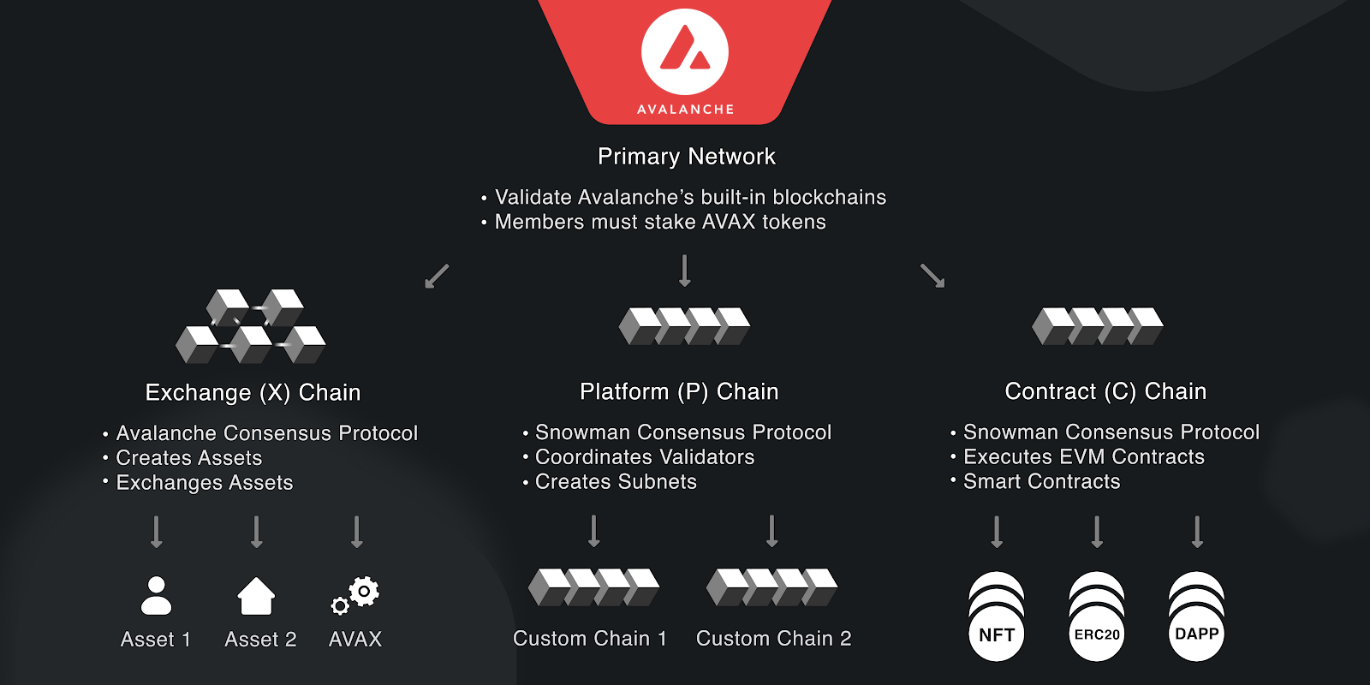
Permissioned subnets provide the necessary control for sensitive financial operations. These subnets allow institutions to define their own governance rules, access controls, and consensus mechanisms. By isolating sensitive transactions from the public mainnet, firms can meet strict regulatory requirements while still benefiting from Avalanche’s underlying scalability and interoperability. This architecture supports complex on-chain finance innovations that require both privacy and speed.
AWS integration further simplifies the technical burden. Ava Labs and Amazon Web Services have partnered to streamline node deployment and infrastructure management. This collaboration ensures that institutional-grade blockchain solutions are scalable and reliable, leveraging AWS’s existing enterprise support and security frameworks. The result is a more predictable and manageable deployment process for financial institutions.
Market Research and On-Chain Finance Use Cases
Use this section to make the Avalanche Evergreen Strategy decision easier to compare in real life, not just on paper. Start with the reader's actual constraint, then separate must-have requirements from details that are merely nice to have. A practical choice should survive normal use, maintenance, timing, and budget. If a recommendation only works in an ideal situation, call that out plainly and give the reader a fallback path.
| Factor | What to check | Why it matters |
|---|---|---|
| Fit | Match the option to the primary use case. | A good deal still fails if it does not fit the job. |
| Condition | Verify age, wear, and service history. | Hidden condition issues erase upfront savings. |
| Cost | Compare purchase price with likely upkeep. | The cheapest option is not always the lowest-cost option. |
Evaluating the Strategy for Web3 Growth
Avalanche Evergreen offers a distinct path for institutions seeking blockchain infrastructure without the overhead of managing custom subnets from scratch. Rather than building on shared public chains or deploying isolated private ledgers, Evergreen provides purpose-built Layer 1 networks that inherit Avalanche’s security while offering tailored governance and performance parameters. This approach bridges the gap between the transparency of public blockchains and the control required by regulated entities.
To determine if this strategy aligns with your organization’s needs, consider these three evaluation steps:

Evergreen subnets allow for configurable access controls and identity verification layers. This is critical for institutions handling sensitive financial data or operating under strict regulatory frameworks like GDPR or HIPAA. Unlike public chains where data is inherently transparent, Evergreen enables you to define who can read, write, and validate transactions, ensuring data sovereignty remains within your control.
The architecture supports high throughput with low latency, making it suitable for high-frequency trading or large-scale enterprise applications. By isolating workloads on dedicated L1s, you avoid the "noisy neighbor" problem common in shared public networks. This isolation ensures consistent performance and predictable transaction costs, which are essential for budgeting and operational planning in institutional settings.
Leverage existing partnerships like the integration with Amazon Web Services (AWS) for streamlined deployment and management. AWS Marketplace offers one-click node deployment, reducing the technical barrier to entry and enhancing security through cloud-native best practices. This integration allows your team to focus on application logic rather than underlying infrastructure maintenance, accelerating time-to-market for Web3 initiatives.
By systematically reviewing these areas, you can decide whether Avalanche Evergreen provides the right balance of security, scalability, and control for your Web3 growth strategy.
Technical Chart and Price Context
Avalanche’s Evergreen strategy relies on AVAX as both the utility token and the settlement layer for institutional subnets. To understand the economic viability of these infrastructure investments, we need to look at how the asset performs under pressure. The chart below shows the daily price action for AVAX against the US dollar, providing the baseline context for network security and transaction costs.
Institutional adoption doesn't happen in a vacuum. It requires a stable, liquid asset to back the custom L1s that banks and enterprises are building. When AVAX holds support levels, it signals that the market trusts the underlying technology. This trust is what allows projects like the Spruce testnet to operate with low-risk, low-barrier entry for buy- and sell-side institutions.
The integration with Amazon Web Services (AWS) further stabilizes this ecosystem by providing one-click node deployment and scalable infrastructure. This technical foundation, combined with a healthy token price, ensures that the Evergreen subnets remain economically viable for long-term institutional use.
Frequently asked: what to check next
Institutional adoption of blockchain infrastructure often raises specific questions about architecture and partnerships. Understanding these distinctions helps clarify how Avalanche supports high-stakes financial applications.
Is Avalanche a Layer 1 or Layer 2?
Avalanche is a decentralized Layer 1 platform. It secures its network with thousands of validators, providing the foundational security and throughput required for institutional-grade deployments rather than operating as a scaling solution on top of another chain.
Does Avalanche have an Amazon partnership?
Yes. Ava Labs has partnered with Amazon Web Services (AWS) to accelerate enterprise adoption. This integration includes one-click node deployment via the AWS Marketplace, allowing institutions to leverage familiar cloud infrastructure for their blockchain operations.
How does Avalanche differ from Solana?
While both platforms offer high throughput, their architectures serve different use cases. Avalanche emphasizes custom subnets, making it suitable for organizations needing tailored blockchain environments. Solana is often preferred for consumer-facing applications and NFTs where uniform execution is prioritized.
No comments yet. Be the first to share your thoughts!