What Avalanche Evergreen actually is
Avalanche Evergreen is not a new token or a consumer-facing application. It is a suite of institutional-grade L1 blockchain deployments, customizations, and tooling designed to address specific company and industry requirements. Think of it as a white-label infrastructure framework rather than a single product. This distinction matters because it shifts the conversation from speculative trading to enterprise-grade utility.
The initiative, launched by Ava Labs, allows organizations to spin up custom blockchains that inherit Avalanche’s high throughput and sub-second finality while adding layers of compliance and privacy. Instead of building a blockchain from scratch, institutions can use Evergreen’s modular components to create a private or permissioned L1 that meets regulatory standards. This approach solves the friction of starting from zero, offering a proven foundation for complex financial and operational workflows.
This strategy targets the "institutional subnet" use case, where data sovereignty and auditability are paramount. By leveraging Evergreen, companies can deploy isolated chains for specific verticals—such as supply chain tracking or private asset management—without compromising the security of the broader Avalanche network. It is a structural solution for enterprises that need blockchain capabilities without the public exposure of a mainnet deployment.

As an Amazon Associate, we may earn from qualifying purchases.
Infrastructure upgrades for enterprise needs
Institutional adoption requires more than just speed; it demands a foundation that respects existing regulatory frameworks. Avalanche Evergreen addresses this by offering a suite of blockchain deployments and tooling designed to handle company-specific and industry-wide considerations. This infrastructure allows enterprises to build subnets that function as distinct, compliant environments rather than generic public chains.
The core appeal for TradFi lies in the balance between privacy and auditability. Through the Spruce testnet, Avalanche has demonstrated privacy-preserving token formats that support selective visibility. In this model, sensitive transaction data remains hidden from the general public, while specific actors—such as internal auditors or regulators—retain full visibility. This "selective visibility" is critical for financial institutions that must comply with data protection laws while maintaining transparent audit trails.
Performance capabilities further solidify this suitability. Evergreen L1s offer sub-second finality and high-throughput consensus, ensuring that settlement times do not bottleneck institutional workflows. Combined with full EVM compatibility, these networks allow developers to leverage existing Ethereum tooling and smart contracts without sacrificing the performance metrics required for high-volume financial transactions.
To understand how the underlying asset has performed during these infrastructure rollouts, it is helpful to contextualize the technical upgrades against market movements.
These technical capabilities transform the blockchain from a speculative asset into a viable enterprise utility. By decoupling performance from public exposure, Evergreen provides the necessary infrastructure for institutions to integrate blockchain technology into their core operations without compromising on security or compliance.
How Institutions Are Actually Using Evergreen Subnets
The conversation around Avalanche has shifted from speculative trading to structural utility. According to recent analysis by Reflexivity Research and Blockworks, institutions are no longer just observing the network; they are deploying custom Evergreen subnets to solve specific compliance and operational hurdles.
Evergreen subnets allow organizations to spin up isolated, permissioned blockchains that inherit Avalanche’s security while maintaining strict control over data and access. This isn’t about replacing the public chain—it’s about creating private infrastructure for regulated assets.
Real-World Deployment Patterns
Institutional adoption is following a clear pattern: privacy and compliance first. Unlike public subnets where anyone can transact, Evergreen deployments often target institutional workflows that require data confidentiality and regulatory adherence.
Reflexivity Research highlights that these subnets are being used to tokenize real-world assets (RWA) and manage institutional-grade liquidity. The key differentiator is the ability to define who can participate, ensuring that sensitive financial data remains within a trusted circle.
Blockworks notes that this "turnkey" approach reduces the friction of building custom blockchain infrastructure from scratch. For traditional finance (TradFi) firms, this means they can leverage blockchain technology without sacrificing the governance controls they are legally required to maintain.
Evergreen vs. Standard Subnets
To understand why institutions prefer Evergreen, it helps to compare the architecture against standard subnet models. The differences lie in governance, privacy, and target audience.
| Feature | Evergreen L1 | Standard Subnet | Public Chain |
|---|---|---|---|
| Governance | Institution-controlled | Community/DAO | Decentralized |
| Privacy | Permissioned/Private | Configurable | Transparent |
| Compliance | Built-in (KYC/AML) | Manual Integration | None |
| Target Audience | Institutions/TradFi | Developers/Gaming | Retail/DeFi |
| Setup Time | Turnkey/Managed | Self-Hosted | N/A |
As the table shows, Evergreen subnets are engineered for institutional needs. They offer a managed, permissioned environment that standard subnets can only approximate with significant custom development.
Why This Matters for AVAX
This shift toward institutional use cases strengthens the fundamental demand for AVAX. While retail traders drive short-term volume, institutional subnets create long-term, sticky demand for block space and security.
Projects like Onyx have already leveraged Avalanche Evergreen to tap into tokenized assets across different platforms, demonstrating the practical utility of this infrastructure. As more TradFi firms adopt this model, the network’s role in global finance becomes more entrenched.
The trend is clear: institutions aren’t looking for another speculative token. They are looking for a compliant, private, and efficient ledger. Avalanche’s Evergreen subnets are currently the best fit for that requirement.
Strategic tools for subnet growth
Building an Evergreen subnet is only half the equation. To operate at an institutional scale, developers need tooling that handles identity, compliance, and continuous monitoring without breaking the chain's performance. Ava Labs has shifted focus from raw infrastructure to the ecosystem of platforms that make subnets usable for regulated industries.
The most critical piece of this stack is Spruce. Originally launched as a testnet, Spruce has evolved into a privacy-preserving identity protocol. It allows enterprises to manage user credentials on-chain while maintaining selective visibility. This means auditors or regulators can see the full transaction history if required, while the general public sees only what is necessary. This selective disclosure is essential for financial services that must balance transparency with client privacy.
Beyond identity, the tooling landscape includes specialized validators and monitoring dashboards. These platforms provide the "always-on" verification that Evergreen subnets promise. They ensure that the custom rules defined by the enterprise—such as KYC checks or asset transfer restrictions—are enforced consistently across all nodes. Without these integrated tools, a subnet risks becoming a siloed network that cannot communicate with broader financial infrastructure.
Start by integrating Spruce to handle user credentials. This protocol supports selective visibility, allowing you to share specific data points with auditors while keeping other information private. It is the foundation for any regulated financial application on the subnet.
Define your business logic using the subnet's customizable environment. Whether it's restricting token transfers to verified wallets or enforcing specific settlement times, these rules must be hard-coded into the subnet's consensus layer to ensure they cannot be bypassed.
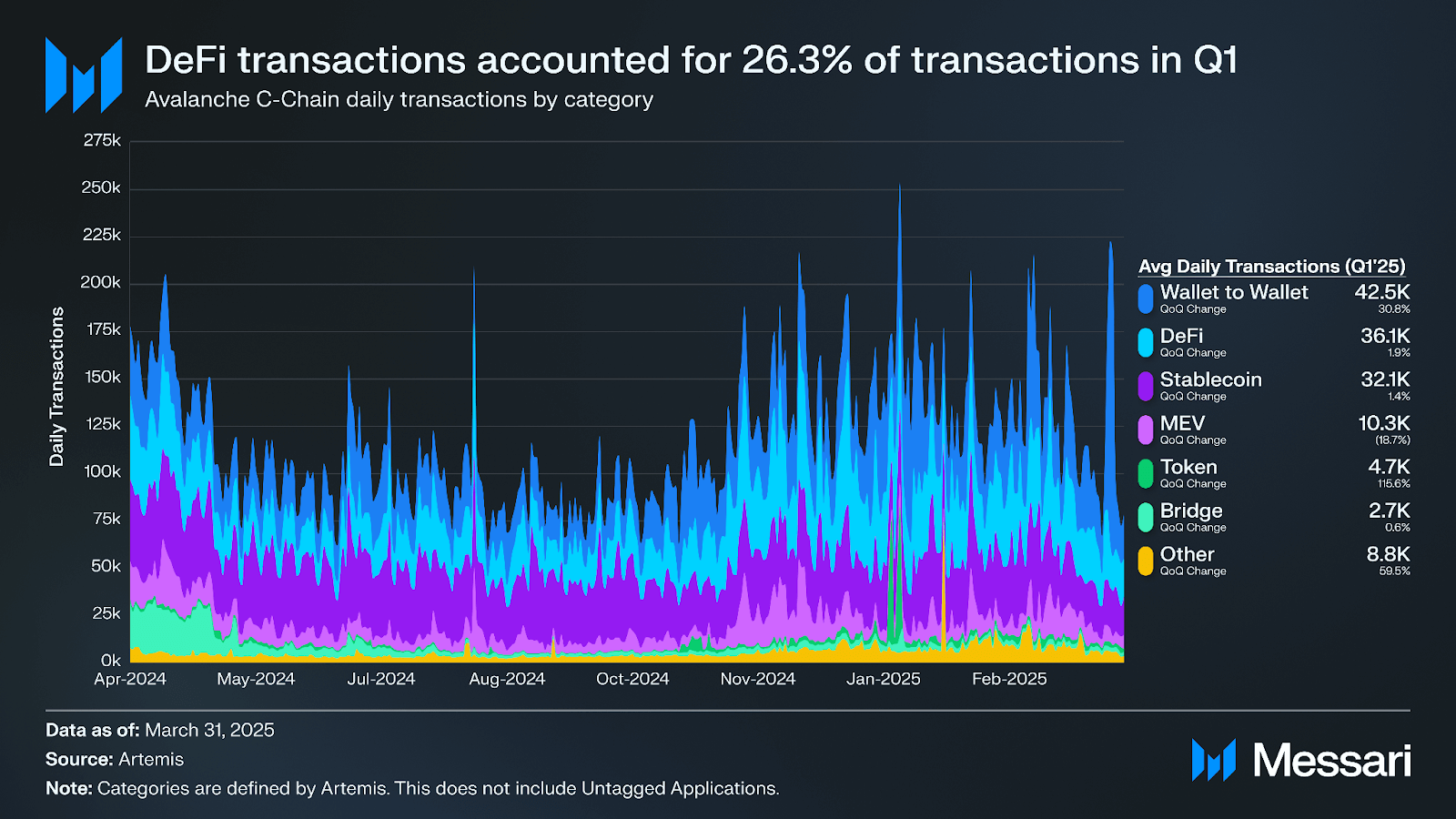
Select validators that specialize in enterprise-grade uptime. These nodes run the continuous verification required for Evergreen subnets, ensuring that your custom rules are applied to every block without delay. This step transforms a theoretical blockchain into a reliable financial utility.
Community Sentiment and Expert Views
Institutional interest in Avalanche’s Evergreen subnet strategy is growing, though the conversation remains focused on technical utility rather than price speculation. Industry observers highlight the platform’s ability to provide performance isolation through sovereign blockchain networks. This architectural flexibility allows enterprises to deploy customized environments without compromising the main chain’s security or speed.
The broader market continues to evaluate how these specialized subnets integrate with existing financial infrastructure. As institutions seek scalable solutions for regulated assets, Avalanche’s EVM compatibility offers a familiar pathway for developers. This balance of customization and compatibility positions the network as a serious contender for institutional adoption.
No comments yet. Be the first to share your thoughts!