Get Avalanche Evergreen Right
Before planting, confirm you are working with the right variety. Clematis x cartmanii 'Avalanche' is a Group II evergreen clematis. Unlike hardy deciduous types, it retains leaves in mild climates and blooms on old and new wood. This distinction dictates how you prune and winterize the plant. Getting the setup right now prevents dead zones and sparse flowering later.
Check Your Climate Zone
This variety thrives in USDA zones 7–9. In warmer zones, it stays evergreen. In cooler zones, it may drop leaves or die back, requiring different pruning. If you are in zone 6 or lower, consider a hardier Group III clematis instead. Planting in the wrong zone is the most common reason for failure.
Prepare the Soil
Avalanche clematis needs enriched, well-drained soil. Heavy clay causes root rot. Sandy soil dries out too fast. Mix in compost before planting. The goal is moisture retention without waterlogging. Mulch the soil surface after planting to conserve moisture and keep roots cool.
Choose the Right Spot
Plant in a location where the roots are shaded and the top growth gets full sun. This "head in the sun, feet in the shade" rule is critical. Use rocks or low-growing plants to shade the root zone. Ensure the spot has good air circulation to prevent fungal issues. Avoid low-lying areas where cold air settles.
Verify Plant Health
Buy from reputable nurseries. Check for flexible, green stems and healthy roots. Avoid plants with yellowing leaves or brittle stems. Inspect for pests like aphids or spider mites. A healthy start ensures vigorous growth in the first season.
How to care for Avalanche clematis
Avalanche clematis (Clematis × cartmanii 'Blaaval') is a semi-evergreen hybrid that blooms on new wood in early to mid-spring. Because it retains some foliage through mild winters and produces fresh growth annually, its care routine centers on consistent moisture, sheltered roots, and light pruning. Follow this sequence to keep the plant vigorous and flowering.
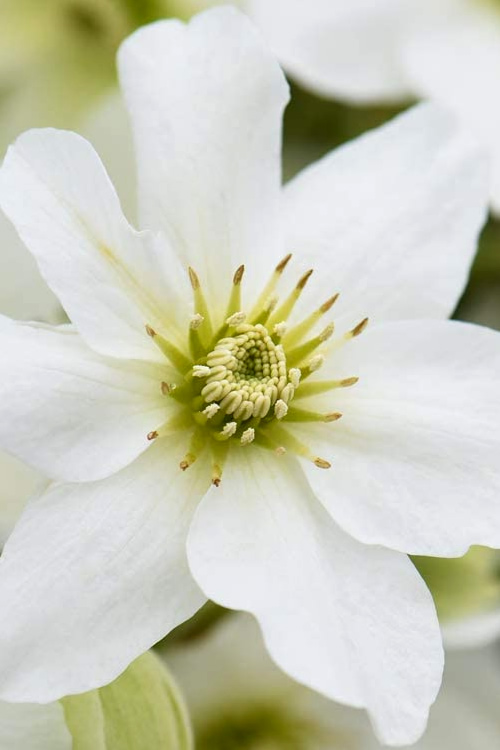
Select a location where the roots stay cool and the upper vines receive full sun or partial shade. The ideal spot has well-drained soil and is sheltered from harsh winds. If your climate is cold, plant near a south-facing wall to provide winter protection. Avoid low-lying areas where water pools, as wet feet cause root rot.
Mix organic matter like compost into the planting hole to improve drainage and fertility. Plant the clematis so the crown is about 2 inches below the soil surface. This deep planting encourages strong basal growth. Water thoroughly after planting to settle the soil around the roots.

Keep the soil surface cool and moist by applying a 2-inch layer of mulch around the base. Avoid piling mulch against the stem. Water deeply once a week during dry spells, aiming for 1 inch of water per week. Consistent moisture is critical for bud formation; drought stress leads to fewer flowers and weaker vines.
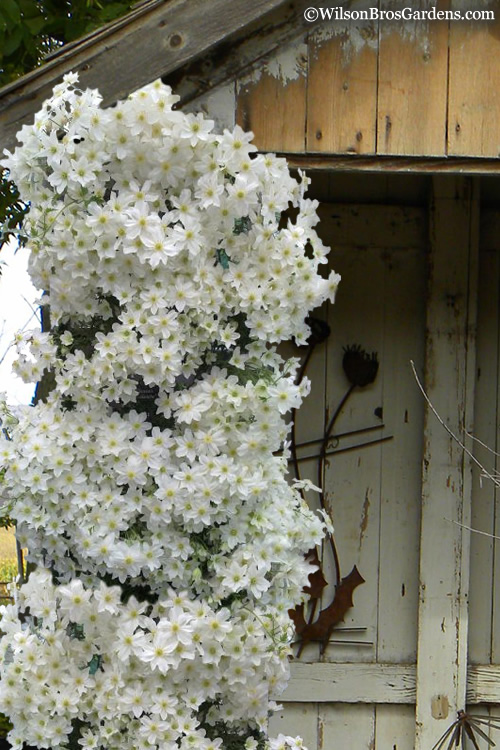
Prune Avalanche clematis in late winter or early spring before new growth starts. Since it blooms on new wood, you can cut the vines back hard to a pair of strong buds about 6–12 inches from the ground. Remove any dead or damaged stems first. Light pruning after the spring bloom can encourage a second flush of flowers in fall.

Train the vines onto a trellis, fence, or shrub. Avalanche clematis is a twining climber and needs something to wrap around. Check regularly for aphids or powdery mildew, especially in humid conditions. Remove affected leaves and ensure good air circulation by spacing vines appropriately.
-
Ensure roots are shaded and top growth is sunny
-
Mulch base to retain moisture
-
Prune hard in late winter to 6-12 inches
-
Water deeply during dry periods
-
Inspect for pests and mildew
Common Mistakes with Avalanche Evergreen Clematis
Avalanche clematis (Clematis x cartmanii) is a vigorous, evergreen climber that rewards careful placement and pruning. However, it is frequently mismanaged, leading to weak growth or dead plants. These errors are avoidable with the right approach.
Planting in Poor Soil or Direct Heat
Avalanche clematis thrives in enriched, well-drained soil. A common mistake is planting it in heavy clay or sandy soil that does not retain moisture or nutrients. The roots need a cool, sheltered environment, while the top growth prefers sun. Planting too deep or in exposed, hot spots stresses the plant. Mulch the soil surface to conserve moisture and keep the roots cool. This simple step mimics the plant's natural preference for sheltered roots and sunny tops.
Incorrect Pruning Timing
Pruning is critical for evergreen clematis. Unlike some varieties, Avalanche blooms on old wood. Pruning in late winter or early spring removes the flower buds, resulting in a season with no blooms. Wait until after the spring flowering is complete to prune. Remove dead or tangled stems then, but avoid heavy cuts that could damage next year's growth. This timing ensures you preserve the blooms while maintaining the plant's shape.
Neglecting Root Shelter
The "root shelter" concept is vital for Avalanche clematis. The roots are sensitive to temperature swings and drying out. Planting near large trees or structures that compete for water can stunt growth. Ensure the root zone is protected from extreme heat and direct foot traffic. Using a low-growing ground cover or mulch around the base can help maintain consistent soil temperature and moisture, supporting the plant's evergreen nature.
Avalanche evergreen: what to check next
Before you buy or plant, here are the practical answers to the most common questions about Avalanche clematis.
No comments yet. Be the first to share your thoughts!