What makes Avalanche Evergreen infrastructure unique
Avalanche Evergreen is not a separate blockchain you can visit on a block explorer. It is a specialized suite of customizable L1 infrastructure built on Avalanche’s subnet technology, designed specifically for enterprise-grade deployments. While the public Avalanche C-Chain handles general-purpose transactions, Evergreen addresses the rigid constraints that typically block institutional adoption.
The core distinction lies in customization. Traditional public chains operate on a "one-size-fits-all" model, forcing all users to adhere to the same consensus rules and token standards. Evergreen flips this approach by allowing organizations to deploy their own dedicated L1s. These chains inherit Avalanche’s security and sub-second finality but offer the flexibility to tailor consensus mechanisms, virtual machines, and governance structures to specific business needs. This means a financial institution can build a chain that complies with strict regulatory requirements without being slowed down by unrelated network traffic.
This infrastructure is designed to solve the fragmentation problem in enterprise blockchain. Instead of choosing between the speed of a private database and the security of a public chain, companies can have both. The Evergreen initiative provides the tooling and support to launch these custom chains quickly, ensuring that data sovereignty and compliance are baked in from the start rather than patched on later.
By decoupling the execution environment from the base security layer, Avalanche Evergreen allows institutions to scale without limits. This architectural choice moves blockchain infrastructure from a speculative asset class to a reliable, purpose-built utility for global finance.
The Spruce testnet and real-world asset tokenization
The Spruce testnet was designed to answer a specific institutional question: can blockchain infrastructure support the privacy and compliance requirements of traditional finance? Rather than testing on a public network where data is exposed, financial institutions used Spruce to simulate on-chain finance (DeFi) operations in a controlled environment. This approach allowed them to validate workflows for tokenized assets without risking exposure of sensitive trade data or violating regulatory standards.
At the core of this initiative is real-world asset (RWA) tokenization. By leveraging Avalanche’s Evergreen L1s, participants could create customizable subnets tailored to specific compliance needs. These subnets provided the necessary control over data visibility and transaction validation, making it feasible to tokenize illiquid assets like real estate or private equity. The testnet served as a proving ground for institutions to refine their technical integration before committing to mainnet deployment.
The results demonstrated that privacy-preserving mechanisms could coexist with transparent audit trails—a critical requirement for institutional adoption. Financial firms were able to test settlement layers, asset issuance, and secondary trading with varying degrees of access control. This flexibility is what sets Evergreen infrastructure apart from general-purpose blockchains, offering a path for legacy systems to interact with on-chain value without sacrificing security or regulatory adherence.
The success of Spruce highlighted the importance of modular infrastructure. Institutions no longer need to choose between decentralization and compliance; they can build subnets that enforce specific rules while remaining part of the broader Avalanche ecosystem. This modularity is essential for scaling tokenization efforts across different asset classes and jurisdictions.
Enterprise adoption and financial sector pilots
The shift from speculative experimentation to institutional infrastructure is best measured by who is actually building on the network. Avalanche’s Evergreen Subnets are designed to meet the rigorous demands of large-scale financial operations, offering the isolation and customization that legacy systems require.
Citigroup has already moved beyond theoretical discussions. According to reports, Citi tested blockchain infrastructure to price and execute simulated foreign exchange trades on Avalanche Evergreen Subnets. This pilot highlights a critical capability: the ability to handle high-frequency, complex financial instruments with the privacy and compliance controls that major banks cannot compromise on.
Similarly, Hamilton Lane has engaged with the ecosystem to explore how Evergreen strategies can integrate private equity, credit, and infrastructure assets. Their involvement signals that asset managers are viewing these subnets not just as a technological novelty, but as a viable operational layer for managing illiquid and traditional financial instruments.
These pilots validate the core value proposition of Evergreen infrastructure: providing a dedicated, high-performance environment that can coexist with public blockchain transparency while meeting strict enterprise governance standards.
| Feature | Traditional Blockchain | Evergreen Subnets |
|---|---|---|
| Custom Compliance | Limited, hard-coded | Configurable per subnet |
| Execution Speed | Shared network congestion | Dedicated resources |
| Privacy Controls | Public ledger visibility | Permissioned access options |
Technical architecture and subnet customization
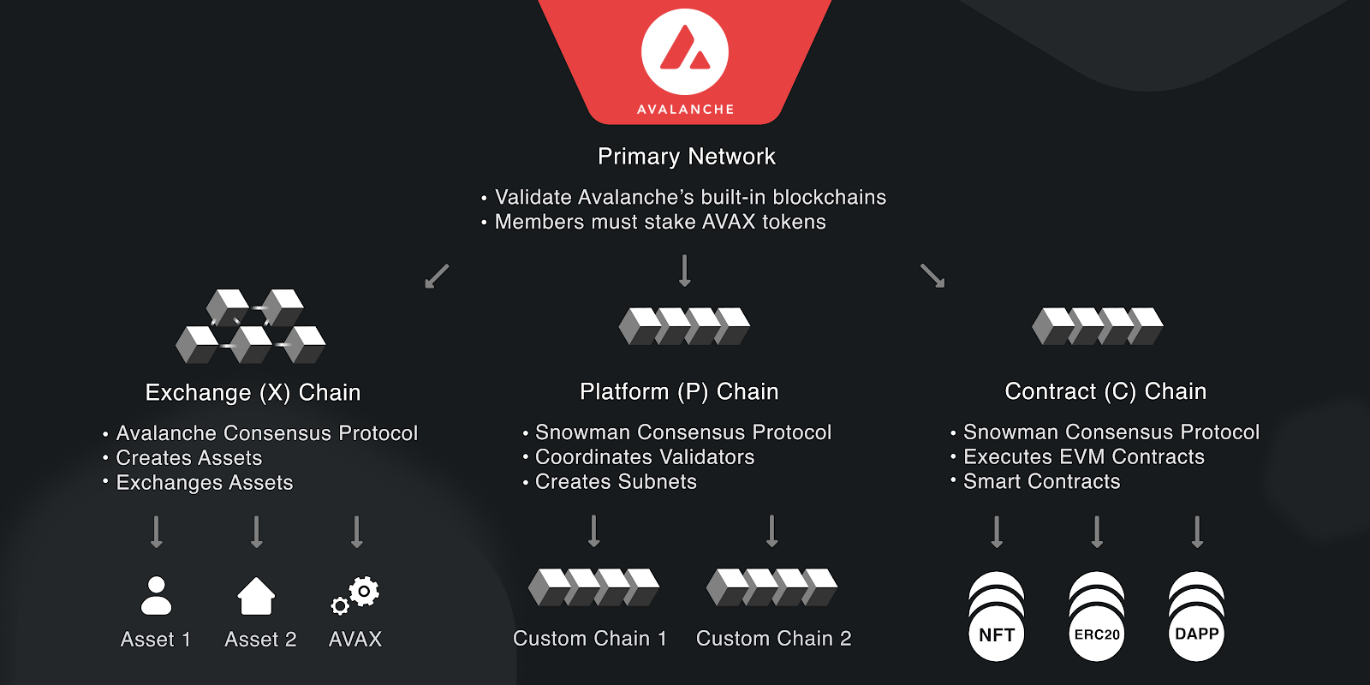
Evergreen subnets function as isolated Layer 1 blockchains that inherit Avalanche’s core security while allowing independent customization. For institutions, this means you can tailor consensus parameters, governance models, and virtual machines to specific regulatory or operational needs without compromising the broader network’s integrity. Think of it as having a dedicated highway lane: you control the speed limit and tolls, but you’re still driving on the same high-quality road infrastructure.
The architecture leverages the Avalanche consensus mechanism, which enables near-instant finality and high throughput. This flexibility allows enterprises to deploy subnets that are either permissionless or permissioned, depending on their data privacy requirements. Whether you are building a private ledger for internal asset tokenization or a public chain for decentralized finance, the underlying consensus remains robust and scalable.
Avalanche’s modular design separates the execution layer from the consensus layer, giving developers the freedom to choose the most efficient virtual machine for their use case. This separation ensures that as the network grows, individual subnets can scale independently. The result is a platform that balances institutional-grade security with the agility required for modern financial applications.
No comments yet. Be the first to share your thoughts!