Avalanche evergreen strategy limits to account for
Avalanche Evergreen strategy centers on deploying dedicated, immutable Layer 1 subnets that operate independently from the main C-Chain while settling on the Avalanche consensus layer. This architecture allows financial institutions to bypass the shared resource constraints of public chains, providing the deterministic latency and customizable governance required for regulated infrastructure.
The primary constraint of this approach is the trade-off between sovereignty and network effects. By launching a dedicated subnet, an institution gains full control over its virtual machines, fee structures, and validator set. However, this isolation means the subnet does not automatically inherit the liquidity or developer activity of the broader Avalanche ecosystem. The strategy requires intentional bridge design or dual-listing to connect with existing DeFi protocols.
Institutional adoption of this model is driven by the need for compliance-grade privacy and performance. Major entities like Citigroup and KKR have utilized Avalanche’s infrastructure to test blockchain solutions that require specific regulatory controls. The Evergreen model supports these use cases by enabling private data visibility and custom transaction ordering, which are non-negotiable for traditional finance integration.
Avalanche evergreen strategy choices that change the plan
Choosing an Avalanche Evergreen Subnet means balancing customization against operational overhead. Unlike public L1s that offer broad liquidity but limited control, Evergreen L1s allow institutions to spin up private or consortium chains with specific governance, compliance, and performance parameters. This customization comes with the responsibility of managing your own validator set and node infrastructure.
The core tradeoff lies in control versus complexity. You gain regulatory clarity and data privacy by isolating your chain, but you lose the automatic network effects of a shared public chain. For institutions, this is often a necessary shift: you trade the ease of plug-and-play public liquidity for the security and predictability of a dedicated infrastructure layer.
| Feature | Public L1 | Evergreen L1 |
|---|---|---|
| Governance | Community/Vote | Custom/Consortium |
| Data Privacy | Transparent | Private/Permissioned |
| Compliance | Limited | High/Customizable |
| Liquidity | Native/Shared | Isolated/Manual |
| Setup Cost | Low | High/Infrastructure |
| Throughput Control | Shared | Dedicated/Scalable |
Compliance and Data Sovereignty
The primary driver for Evergreen is often regulatory. Public chains expose transaction data to everyone, which is incompatible with many financial mandates. Evergreen subnets allow you to restrict node access to vetted participants, ensuring that sensitive financial data remains within your organization or consortium. This isolation simplifies audits and aligns with GDPR or HIPAA requirements that public chains cannot meet.
Liquidity and Interoperability
Isolation is a double-edged sword. While it provides privacy, it also means your assets are not immediately accessible to the broader market. You must bridge assets or establish direct peer-to-peer liquidity agreements with other chains. This adds complexity to your treasury management but allows for tailored tokenomics that might be impossible on a public chain due to gas fee volatility or MEV risks.
Infrastructure and Maintenance
Running an Evergreen Subnet requires significant technical resources. You are responsible for node maintenance, security patches, and consensus tuning. This is not a passive investment. However, it offers predictable performance. Unlike public chains that may congest during high-demand periods, your dedicated chain maintains consistent throughput, which is critical for high-frequency trading or real-time settlement systems.
Choose the next step: Turn the research into a practical decision framework
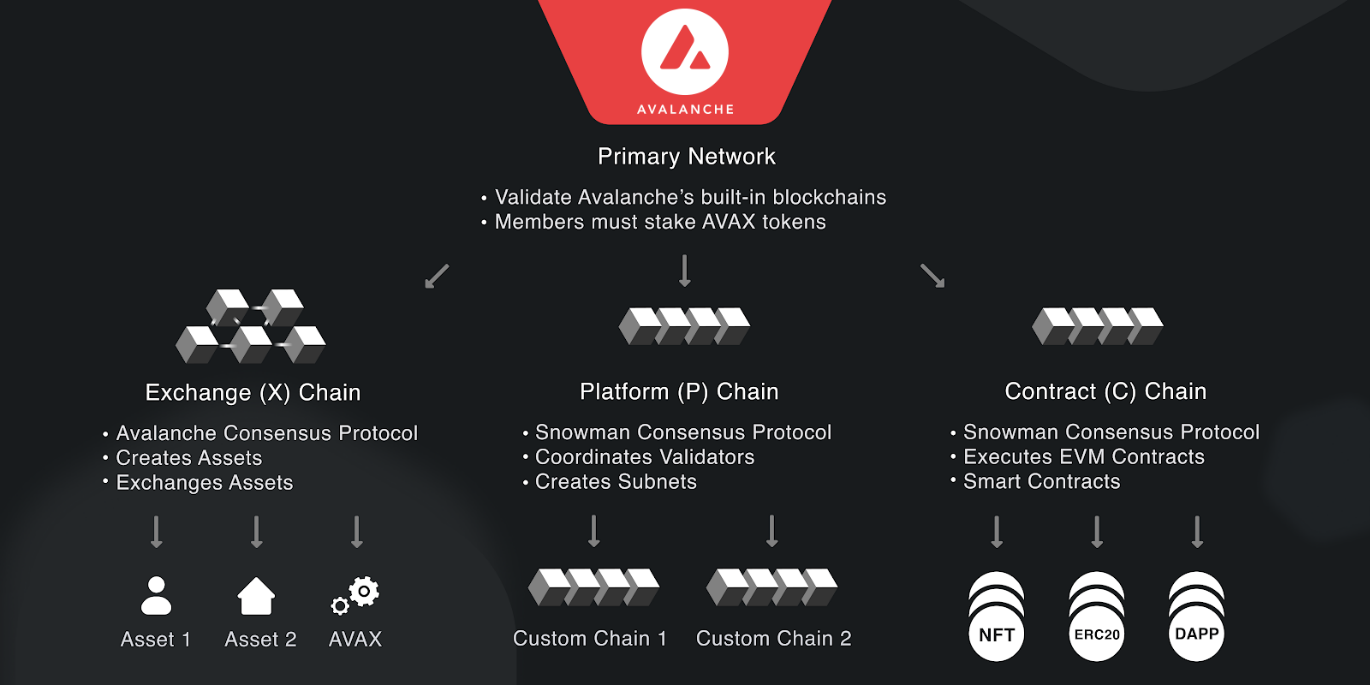
Avalanche Evergreen Subnets are not a generic blockchain; they are a deployment model for institutions that need custom infrastructure without sacrificing the security of the primary Avalanche C-Chain. The decision to build or join an Evergreen Subnet hinges on three specific tradeoffs: regulatory isolation, throughput requirements, and token economic control.
To move from research to action, follow this decision framework. Each step addresses a critical infrastructure requirement for institutional adoption.
If your institution operates in heavily regulated jurisdictions (e.g., EU MiCA, US banking rules), a public chain is often insufficient. Evergreen Subnets allow you to configure permissioned access lists. You can restrict node operators and validators to known, KYC’d entities. This creates a "walled garden" where data sovereignty is maintained within your own infrastructure, separate from the public mempool.
Standard L1s share block space with all users. If your use case involves high-frequency trading or real-time asset tokenization, you may need dedicated block production. Evergreen Subnets allow you to customize the block time and gas limits. This ensures that your transactions are prioritized and not congested by retail activity, providing the deterministic latency required for institutional settlement.
Do you need a native utility token, or will you use AVAX for gas? Evergreen Subnets give you the choice. You can launch a subnet that uses its own native token for gas fees, which is essential if you are creating a closed-loop financial system or a loyalty program. Alternatively, you can keep AVAX as the gas token to leverage the existing liquidity and security of the main network. This decision impacts how you onboard users and manage treasury reserves.
Building a subnet requires technical expertise in node operation and consensus configuration. Most institutions partner with specialized blockchain dev shops or use Avalanche’s official tooling. Evaluate partners based on their experience with permissioned validators and their ability to integrate with existing legacy banking systems (SWIFT, ISO 20022). The goal is a seamless bridge between your internal ledgers and the blockchain.
| Feature | Public L1 | Evergreen Subnet |
|---|---|---|
| Access Control | Open to all | Permissioned/KYC’d |
| Block Time | Fixed (~2s) | Customizable |
| Gas Token | AVAX only | AVAX or Custom |
| Regulatory Fit | Low | High |
Final Recommendation
Choose an Evergreen Subnet if you require data privacy, custom throughput, or a native token. If your needs are simple and public transparency is acceptable, a standard L1 interaction may suffice. For most institutional infrastructure projects, the Evergreen model provides the necessary isolation to operate securely within existing regulatory frameworks.
Common Mistakes in Avalanche Subnet Strategy
Avalanche Evergreen subnets offer institutional-grade infrastructure, but adopting them without due diligence often leads to costly integration errors. The platform allows financial entities to deploy private L1s, yet the flexibility introduces complexity that many teams underestimate. Below are the most frequent pitfalls observed in enterprise deployments.
Assuming Full Compatibility with Existing Stack
Many institutions assume Avalanche subnets plug directly into legacy banking systems. This is rarely true. Subnets require specialized node infrastructure and consensus tuning. Teams must audit their current API compatibility before committing resources. The Avalanche documentation provides essential technical specs for this assessment.
Overlooking Regulatory Data Residency
Private subnets allow data isolation, but they do not automatically guarantee regulatory compliance. Financial institutions must verify where validator nodes are physically located to meet data sovereignty laws. A subnet hosted in a non-compliant jurisdiction can void legal protections, regardless of its cryptographic security.
Ignoring Validator Incentive Structures
Subnet security depends on the staking model chosen. Some models require significant AVAX lock-ups, while others rely on external token incentives. Misjudging these costs can strain treasury operations. Always model validator incentives against your long-term operational budget before launch.
Underestimating Interoperability Needs
Subnets operate independently by default. Connecting them to the main Avalanche C-Chain or external ecosystems requires custom bridge development. Many projects fail to plan for this interoperability layer, leading to fragmented liquidity and isolated user bases. Plan cross-chain communication strategies early in the design phase.
Avalanche evergreen strategy: what to check next
Before committing to an Evergreen subnet infrastructure, institutions need clarity on the ecosystem's adoption, leadership, and technical reality. The following questions address the most common objections regarding partnerships, founders, and practical utility.
Who is Avalanche partnered with?
Avalanche has secured partnerships with some of the world’s largest financial institutions, including JP Morgan, Citi, KKR, and Apollo. These organizations trust Avalanche for its scalable, secure, and customizable blockchain infrastructure, particularly for tokenization and settlement layers.
What companies use Avalanche?
Beyond partnerships, active users of the Avalanche Blockchain Platform include Citigroup and KKR. Citigroup leverages the platform for its massive scale, while KKR utilizes it for private market asset tokenization. This adoption signals institutional readiness for custom subnet deployments.
Who is the founder of Avalanche?
Avalanche was co-founded by Emin Gün Sirer, a Turkish-American computer scientist. Sirer developed the Avalanche Consensus protocol, which underpins the platform’s speed and security, and currently serves as the CEO of Ava Labs, the company behind the project.
No comments yet. Be the first to share your thoughts!