What is Avalanche Evergreen Infrastructure
Avalanche Evergreen is a suite of institutional-grade L1 blockchain deployments, customizations, and tooling designed to address company-specific and industry-wide considerations. Developed by Ava Labs, this initiative allows enterprises to deploy their own Avalanche L1 without building the underlying infrastructure from scratch.
Think of Evergreen as a pre-engineered chassis for your blockchain. Instead of constructing a vehicle from raw materials, you select a robust, tested platform and customize the engine and interior to fit your specific regulatory and operational needs. This approach significantly reduces the time and capital required to launch a compliant, scalable blockchain network.
Unlike public testnets or generic mainnets, Evergreen L1s offer deep customization. Institutions can define their own tokenomics, validator sets, and governance structures while inheriting the security and finality guarantees of the Avalanche network. This flexibility is critical for sectors like finance and healthcare, where data sovereignty and compliance are non-negotiable.
The infrastructure is built to scale without limits, supporting high throughput and low latency. By leveraging the same consensus mechanism as the Avalanche mainnet, institutions gain access to a mature ecosystem of tools and developers, ensuring long-term viability and interoperability.
Choose Your Subnet Blueprint
Selecting the right Evergreen L1 blueprint determines whether your blockchain scales with your business or fights against it. Avalanche offers three distinct paths: Spruce for regulated finance, Vista for high-throughput consumer apps, and Custom L1s for unique infrastructure needs. Each blueprint balances compliance, speed, and development control differently.
| Blueprint | Compliance | Throughput | Best For |
|---|---|---|---|
| Spruce L1 | High (KYC/AML ready) | Standard | Institutional finance, RWA tokenization |
| Vista L1 | Low (Permissionless) | High | Consumer apps, gaming, NFTs |
| Custom L1 | Configurable | Custom | Supply chain, specific regulatory needs |
Spruce is the go-to for financial institutions. It transitioned to production in April 2026 and is already used by firms like T. Rowe Price. It includes built-in compliance tools, making it easier to meet regulatory requirements without building them from scratch. If your primary concern is security and auditability over raw speed, Spruce is your blueprint.
For projects that prioritize user experience and massive transaction volumes, Vista offers a permissionless environment. It is ideal for gaming or social applications where onboarding thousands of users quickly is more important than individual identity verification. Custom L1s provide the flexibility to tweak consensus mechanisms or virtual machines for niche use cases like supply chain tracking.




As an Amazon Associate, we may earn from qualifying purchases.
Deploy Your Infrastructure Step by Step
Deploying an Avalanche Evergreen Subnet requires a structured approach to ensure institutional-grade security and compliance. The process moves from initial access through configuration to final mainnet deployment. Each step builds on the previous one to maintain the integrity of your custom Layer 1 blockchain.
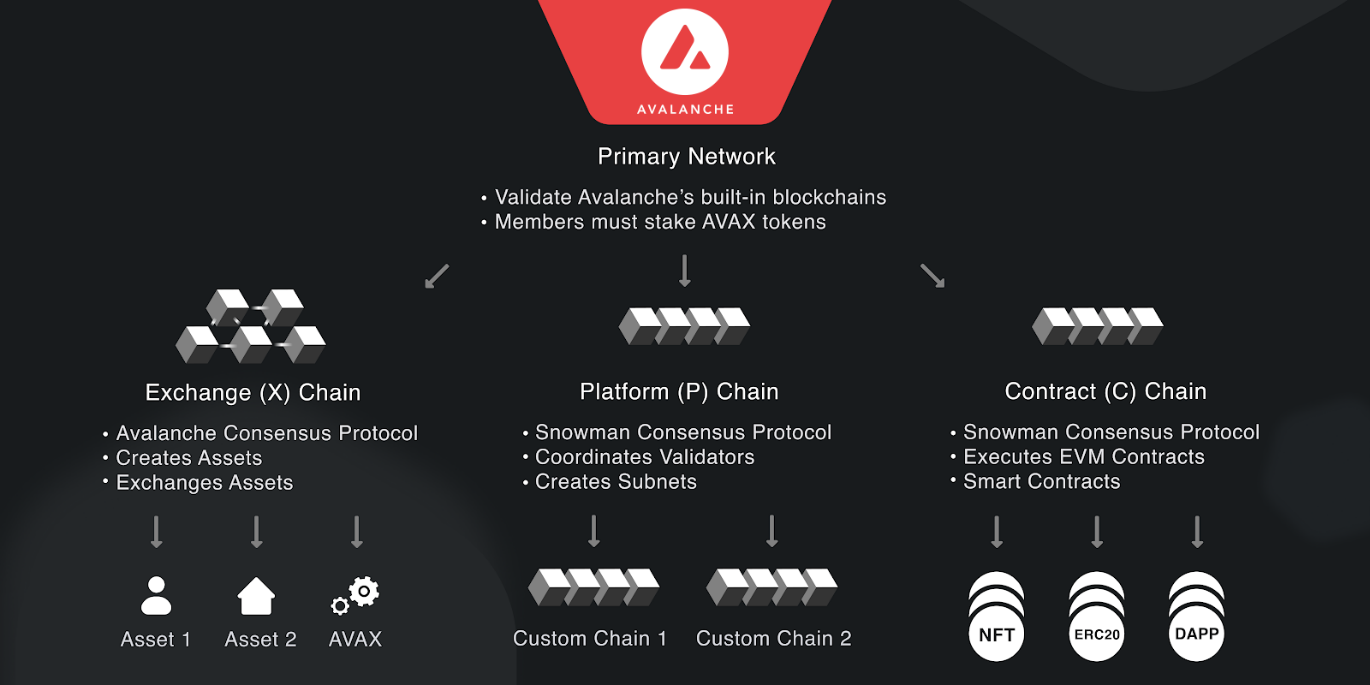
Begin by registering for the Avalanche Evergreen portal through Ava Labs. This portal serves as the central hub for institutional blockchain deployments. You will need to complete a verification process to access the deployment tools. Ensure your team has the necessary administrative permissions before proceeding.
Choose a subnet blueprint that aligns with your institutional requirements. Ava Labs provides pre-configured templates for various use cases, including permissioned networks and hybrid chains. Selecting the right baseline reduces the complexity of subsequent configuration steps. Review the technical specifications of each blueprint to ensure compatibility with your existing IT infrastructure.
Define the on-chain compliance rules that govern user access and transaction validity. Evergreen subnets allow for custom virtual machines and governance models. Implement KYC/AML checks at the protocol level if required by your regulatory framework. This step is critical for ensuring that only authorized participants can interact with your subnet.
Once configuration is complete, initiate the deployment to the Avalanche mainnet. The platform will provision the necessary validator nodes and establish the subnet's genesis state. Monitor the deployment status through the portal dashboard. After successful deployment, you can begin integrating your applications and inviting institutional users.
Integrate Essential Tools and Partners
Building an Avalanche Evergreen subnet requires more than just code; it demands a reliable infrastructure layer. Ava Labs has partnered with Amazon Web Services (AWS) to provide one-click node deployment and scalable infrastructure for enterprise clients. This integration allows institutions to spin up validator nodes quickly without managing complex underlying cloud resources.
The AWS Marketplace hosts Avalanche-specific templates that streamline the setup process. These templates ensure that your subnet meets the performance and security standards required for institutional operations. By leveraging AWS, you reduce the operational overhead typically associated with maintaining high-availability blockchain infrastructure.
You should also connect with Ava Labs support for subnet-specific configuration issues. Their documentation provides detailed guides on configuring the Evergreen infrastructure to meet regulatory and compliance requirements. Partnering with these established providers ensures your deployment is robust and supported by industry-standard tools.
Verify Compliance and Security
Before launching your Avalanche Evergreen Subnet for institutional clients, you must rigorously validate its security posture and regulatory alignment. Institutions require proof that the chain is not only functional but also compliant with established financial standards. This verification phase acts as the final gatekeeper, ensuring that the subnet can handle enterprise-grade scrutiny without exposing stakeholders to unnecessary risk.
This systematic approach ensures that your Avalanche Evergreen Subnet is not only technically robust but also institutionally viable. By addressing these compliance and security checkpoints, you build the trust necessary to attract and retain high-value institutional partners.
No comments yet. Be the first to share your thoughts!