Avalanche evergreen limits to account for
Avalanche Evergreen works best as a clear sequence: define the constraint, compare the realistic options, test the tradeoff, and choose the path with the fewest hidden costs. That order keeps the advice usable instead of decorative. After each step, pause long enough to check whether the recommendation still fits the reader's actual situation. If it depends on perfect timing, unusual access, or a best-case budget, include a simpler fallback.
The simplest way to use this section is to write down the real constraint first, compare each option against it, and choose the path that still works outside ideal conditions.
Avalanche evergreen choices that change the plan
Choosing an Avalanche Evergreen deployment involves balancing immediate scalability needs against long-term operational sovereignty. The decision rests on how much control you are willing to surrender for the sake of speed and interoperability. Below is a comparison of the primary tradeoffs to help evaluate which path aligns with your infrastructure strategy.
| Factor | Custom L1 | Subnet |
|---|---|---|
| Time to Launch | Slower (custom VM needed) | Fast (minutes to deploy) |
| Governance | Full autonomy | Shared subnet rules |
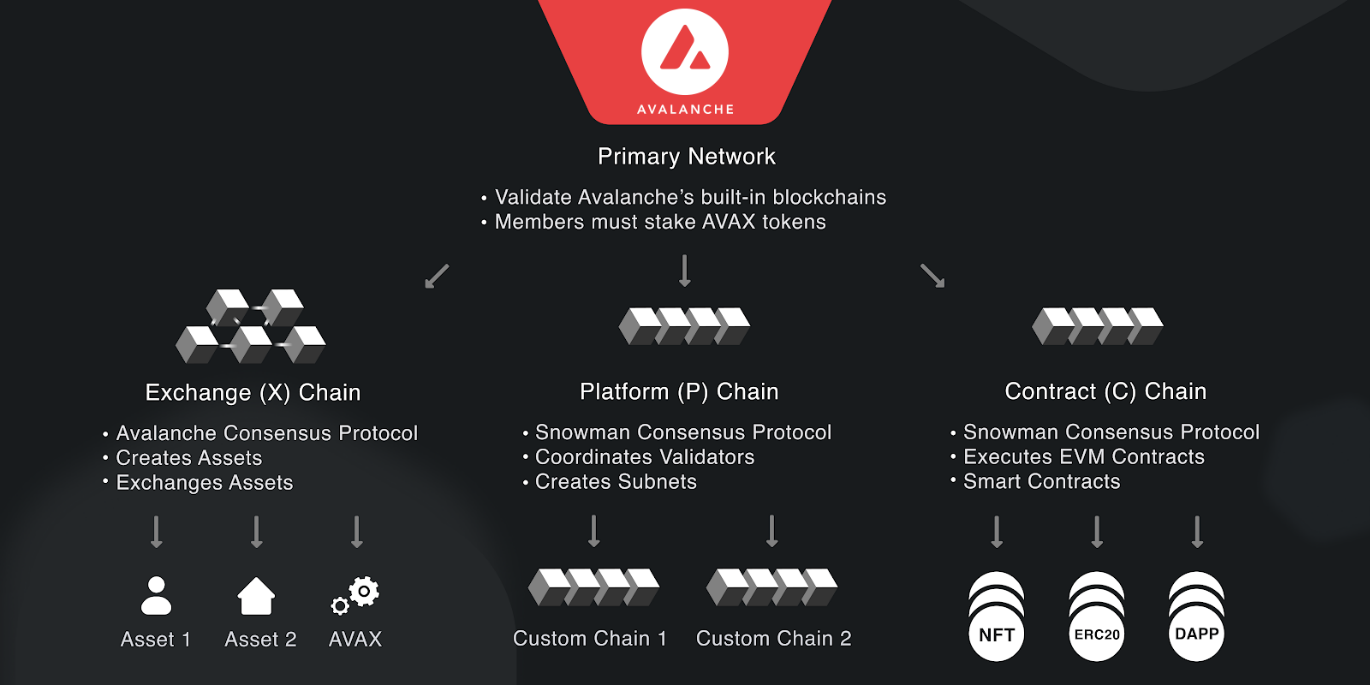
| Interoperability | Cross-chain messaging required | Native X-Chain transfers |
| Security Model | Independent validator set | Shared subnet security |
Custom L1 Sovereignty
A custom L1 offers the highest degree of independence. You design the virtual machine (VM), set the consensus rules, and control the validator set. This path is ideal for enterprises needing strict regulatory compliance or unique economic models that do not fit standard templates. The tradeoff is significant upfront development time and the responsibility of maintaining your own security posture.
Subnet Efficiency
Subnets allow you to launch a blockchain that shares the security of the Avalanche mainnet while maintaining custom logic. This is the fastest route to market, often taking minutes rather than months. However, you must operate within the constraints of the subnet’s shared security model and cannot easily change the underlying consensus mechanism once deployed.
Interoperability Costs
The choice between L1s and subnets heavily impacts how your chain talks to others. Subnets benefit from native X-Chain transfers, making asset movement seamless within the Avalanche ecosystem. Custom L1s require building or integrating cross-chain messaging protocols, which adds complexity and potential points of failure. Evaluate whether your users need deep integration with other Avalanche chains or if an isolated environment is sufficient.
Turn research into a practical decision framework
Building a garden with Clematis x cartmanii 'Avalanche' requires matching the plant's specific biological habits to your site conditions. Unlike self-clinging varieties that attach to walls via aerial rootlets, this evergreen clematis uses a scrambling habit. It needs a physical structure to climb, such as an obelisk, trellis, or existing shrubbery.
The following steps outline the essential checks to ensure this plant thrives in your landscape. Focus on soil composition, structural support, and pruning timing to maximize its late-winter and early-spring bloom cycle.

Thrives in enriched, well-drained soil. The plant requires its "head in the sun" but its "feet in the shade." Use organic mulch around the base to conserve moisture and keep roots cool, which helps the plant survive winter frosts and summer heat.

Because the stems are non-clinging, you must provide a trellis, wire mesh, or nearby shrubs for the vines to scramble over. Position the support before planting to avoid disturbing the root system later. Ensure the structure is sturdy enough to hold the weight of mature foliage.

Flower on growth formed the previous summer. Prune immediately after the spring bloom fades to shape the plant and remove spent flowers. Delay heavy trimming until the risk of hard frost has passed to protect tender new growth from winter damage.
Deadhead flowers using sharp secateurs where the bloom meets the stem to encourage a tidy appearance. Apply a layer of mulch during summer to insulate roots. This simple maintenance routine supports the plant's glossy dark green foliage and ensures a profusion of star-shaped white flowers.




As an Amazon Associate, we may earn from qualifying purchases.
Watch out for weak options
Not every clematis labeled "evergreen" behaves like Clematis x cartmanii 'Avalanche'. The primary confusion comes from assuming all evergreen clematis are self-clinging. 'Avalanche' is a non-clinging climber. It scrambles through borders or requires a trellis for support. Buying a self-clinging variety expecting the same easy drape is a common mistake. Always check the group classification before planting.
Another weak option is ignoring the "head in sun, feet in shade" rule. Evergreen clematis need enriched, well-drained soil with mulch to protect their roots. Placing them in full, hot sun without root cover leads to scorching and poor flowering. This isn't just a preference; it's a survival requirement for the foliage to remain glossy and green through winter.
Pruning timing also trips up many growers. Evergreen clematis flower on previous summer's growth. Cutting them back in late winter kills the blooms. Wait until after flowering finishes to prune. Some winter-flowering evergreens are tender, so delay trimming until the risk of frost has passed. Deadheading is optional but helps maintain neatness.
Finally, beware of weak root systems in cheap nursery stock. 'Avalanche' produces large, star-shaped white flowers up to 4cm in diameter. These heavy blooms require strong, established stems. Inspect the base of the plant for thick, healthy canes. Thin, spindly growth will struggle to support the spring display and may flop over in wind.
Avalanche evergreen: what to check next
Addressing common care questions before you buy or plant helps avoid costly mistakes. Here are the practical answers to the most frequent objections.
No comments yet. Be the first to share your thoughts!