The avalanche evergreen strategy limits to account for
The primary constraint of the Avalanche Evergreen strategy is the fundamental trade-off between public liquidity and private control. While the broader Avalanche ecosystem offers speed and low fees, it operates as a public network where data is transparent and accessible to all participants. For institutional infrastructure, this openness is often a liability rather than an asset. The Evergreen strategy addresses this by allowing organizations to deploy private subnets that run on the Avalanche consensus layer while keeping sensitive data and transaction flows off the public eye.
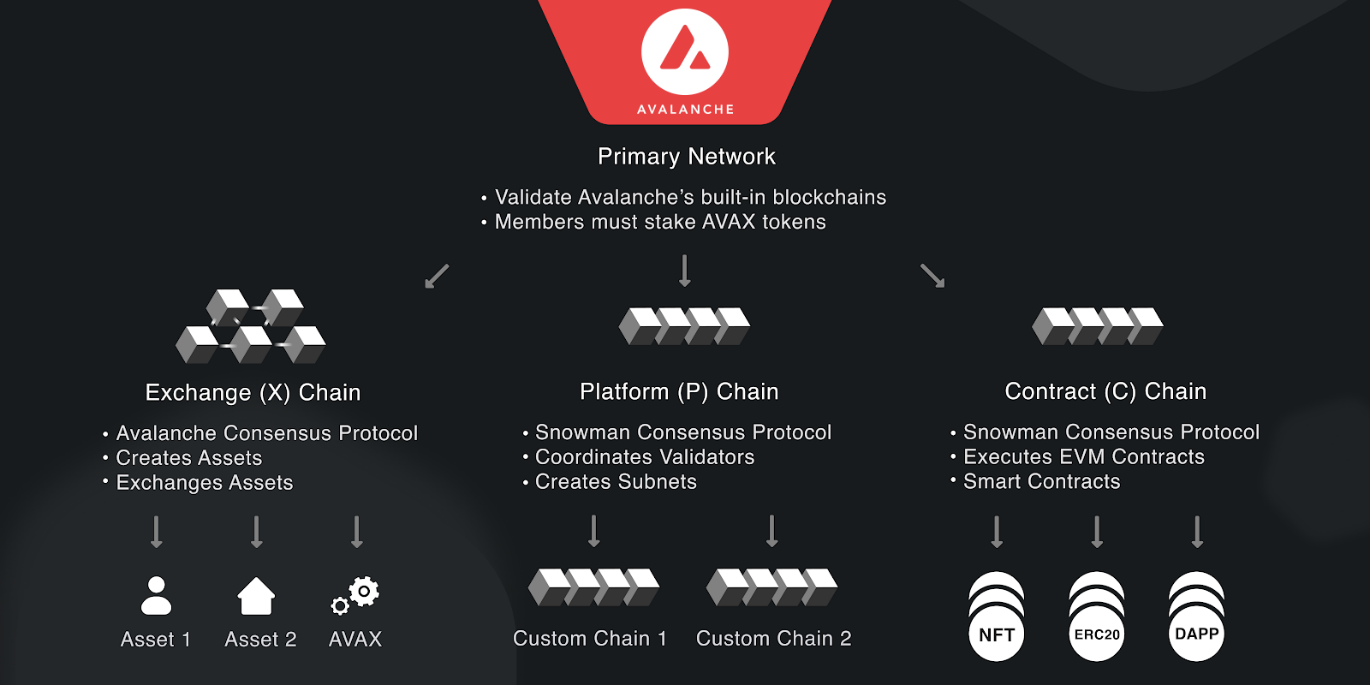
This approach creates a dual-layer architecture. The underlying subnet handles the specific compliance, privacy, or performance requirements of a financial institution, while the main Avalanche chain provides security and interoperability. This means institutions do not need to build their own blockchain from scratch, which is costly and risky. Instead, they leverage Avalanche’s existing validator network for security while maintaining full sovereignty over their subnet’s governance and rules.
However, this model introduces complexity in tokenomics and cross-chain communication. Assets must move between the private subnet and the public mainnet, requiring bridge mechanisms that can become points of failure or regulatory scrutiny. The strategy works best when the subnet’s token is used primarily for internal governance or staking, rather than as a publicly traded asset. This reduces exposure to market volatility and simplifies compliance, but it limits the network effects that usually drive blockchain adoption.
Ultimately, the Evergreen strategy is not about replacing public chains but complementing them. It allows institutions to participate in the blockchain economy without sacrificing the regulatory controls they require. The constraint lies in managing the separation between these two layers effectively, ensuring that the benefits of private control do not outweigh the costs of operational complexity.
Avalanche evergreen strategy choices that change the plan
Building an institutional infrastructure on Avalanche requires weighing specific structural tradeoffs. While Evergreen subnets offer the flexibility to customize consensus and governance, they introduce complexity in node management and interoperability. Institutions must evaluate whether the benefits of isolated execution environments outweigh the operational overhead of maintaining multiple L1 chains.
The choice between a shared subnet and a dedicated L1 often hinges on capital efficiency versus privacy. Shared subnets reduce costs by distributing validator fees across multiple applications, but they may expose transaction data to other participants on the same subnet. Dedicated L1s provide stronger data sovereignty and compliance boundaries, yet require significant validator recruitment and security bonding.
Subnet Architecture and Governance
| Feature | Shared Subnet | Dedicated L1 | CFTC Compliance Needs |
|---|---|---|---|
| Validator Set | Shared with other apps | Exclusive to your chain | Private validator nodes |
| Data Privacy | Partial (subnet-visible) | Full (chain-isolated) | High |
| Cost Structure | Lower (shared fees) | Higher (dedicated bonding) | Legal overhead |
| Interoperability | High (native C-Chain) | Requires Bridge/Warp | Audit requirements |
Market Context
The broader market performance of AVAX influences the cost of securing these subnets. A rising price increases the capital required to bond validators, impacting the initial investment for dedicated L1s.
Technical analysis of AVAX helps institutions time their entry and bonding strategies. Monitoring volume and trend indicators can signal optimal windows for launching new Evergreen deployments.
Community sentiment often diverges from technical metrics. Discussions on platforms like Reddit highlight practical concerns about subnet governance and long-term viability that official documentation may not fully address.
Choose the next step
Avalanche Evergreen Strategy works best as a clear sequence: define the constraint, compare the realistic options, test the tradeoff, and choose the path with the fewest hidden costs. That order keeps the advice usable instead of decorative. After each step, pause long enough to check whether the recommendation still fits the reader's actual situation. If it depends on perfect timing, unusual access, or a best-case budget, include a simpler fallback.
Avoiding Misleading Claims and Weak Options
Institutional adoption of Avalanche Evergreen subnets requires careful due diligence. Marketing materials often emphasize scalability while downplaying the operational overhead of managing custom consensus parameters. Verify that the proposed subnet architecture aligns with actual regulatory requirements, not just theoretical throughput. Many projects overpromise on privacy features that rely on complex zero-knowledge proofs, which can introduce significant latency and security risks if not audited thoroughly.
When evaluating subnet options, distinguish between fully sovereign chains and shared-security models. Sovereign subnets offer complete control but require you to bootstrap validator sets and manage security independently. Shared-security models leverage Avalanche’s mainnet security but offer less customization. Choose based on your specific compliance needs rather than chasing maximum decentralization, which often comes at the cost of performance and ease of integration.
Be wary of vendors claiming "plug-and-play" institutional infrastructure. Building a compliant financial subnet involves complex legal, technical, and operational steps. Ensure any provider offers transparent documentation on consensus mechanism configuration, validator onboarding processes, and interoperability standards. The best solutions prioritize clear audit trails and regulatory reporting capabilities over raw speed metrics.
No comments yet. Be the first to share your thoughts!