Avalanche evergreen analysis limits to account for
Use this section to make the Avalanche Evergreen Analysis decision easier to compare in real life, not just on paper. Start with the reader's actual constraint, then separate must-have requirements from details that are merely nice to have. A practical choice should survive normal use, maintenance, timing, and budget. If a recommendation only works in an ideal situation, call that out plainly and give the reader a fallback path.
The simplest way to use this section is to write down the must-have criteria first, then compare each option against those criteria before weighing nice-to-have features.
Avalanche evergreen analysis choices that change the plan
Avalanche Evergreen L1s are not a single product but a suite of customizable blockchain deployments and tooling designed for institutional use. When evaluating this infrastructure, you must weigh the benefits of pre-configured compliance against the operational overhead of managing a dedicated subnet. The choice often comes down to whether your priority is rapid deployment with regulatory guardrails or maximum architectural flexibility.
Compliance and Regulatory Alignment
Evergreen subnets are built with built-in compliance features, such as whitelisting and permissioned access controls, which are critical for financial institutions operating under strict regulatory frameworks like MiCA or local securities laws. This reduces the legal risk associated with public, permissionless chains but introduces a layer of administrative complexity. You must evaluate whether your existing compliance team can manage these on-chain governance mechanisms or if you require a more managed service.
Performance vs. Decentralization
By isolating your application on a dedicated subnet, you gain significant throughput and low latency, avoiding the congestion that can plague shared public networks. However, this comes at the cost of decentralization. A smaller validator set on a custom L1 means less security through sheer scale compared to the main Avalanche C-Chain. For high-frequency trading or enterprise supply chain applications, this tradeoff is often acceptable, but it requires a different security model.
Cost and Operational Overhead
Running an Evergreen subnet involves fixed costs for validator infrastructure and ongoing maintenance. While you avoid the variable gas fees of public chains, you assume the responsibility for network uptime and security. This model favors projects with consistent, high-volume transaction needs. For sporadic usage or smaller-scale pilots, the shared public chain may remain more cost-effective despite the potential for congestion.
| Feature | Evergreen L1 | Public C-Chain | Traditional Sidechain |
|---|---|---|---|
| Compliance | Built-in whitelisting | None (permissionless) | Varies |
| Throughput | High (dedicated resources) | Shared (variable) | High |
| Security Model | Subnet-specific validators | Global Avalanche consensus | Bridge-dependent |
| Setup Time | Weeks to months | Instant | Months |
| Cost Structure | Fixed infrastructure costs | Pay-per-transaction | High initial dev cost |
Decision Framework
Choose Avalanche Evergreen if you are a regulated entity requiring strict access control and predictable performance for high-volume transactions. Opt for the public C-Chain if you prioritize immediate deployment, maximum decentralization, and lower upfront costs. For projects needing a middle ground, consider hybrid models where sensitive data resides on an Evergreen L1 while public interaction occurs on the mainnet.
Choose the Right Avalanche Evergreen Path
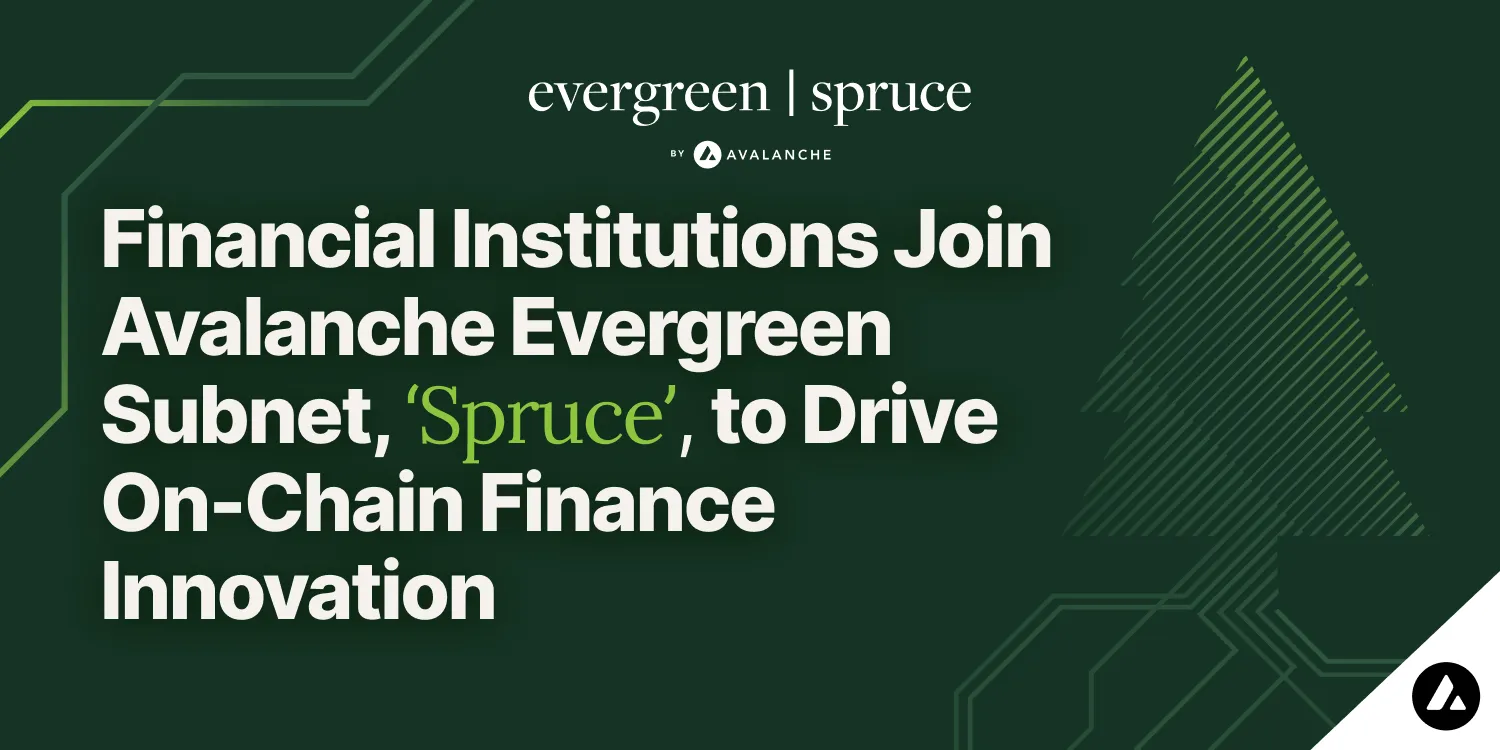
Avalanche Evergreen is not a single product but a suite of institutional-grade L1 deployments and tooling. It allows enterprises to launch blockchains that meet specific compliance, privacy, and performance requirements without building from scratch. The decision framework below helps you match your operational needs to the correct Evergreen configuration.
Determine if your use case requires data segregation or regulatory adherence. Evergreen L1s allow you to customize validator sets and access controls. If you need to restrict transaction visibility to specific parties, choose a permissioned L1 configuration over the public mainnet.

Evaluate your transaction volume. Avalanche’s subnets can process thousands of transactions per second with finality in under a second. For high-frequency trading or supply chain tracking, prioritize subnets with dedicated validator nodes to avoid network congestion during peak loads.

Decide between a fully managed service or a self-hosted node. Managed Evergreen deployments reduce operational overhead, while self-hosted options offer greater control over infrastructure. Choose managed services if your team lacks dedicated blockchain engineering resources.
| Feature | Managed Evergreen | Self-Hosted Subnet |
|---|---|---|
| Setup Time | Days | Weeks |
| Operational Control | Low | High |
| Compliance Support | Included | Manual |
| Cost Structure | Subscription | Infrastructure |
The best choice depends on your internal capacity. If compliance speed is the priority, the managed Evergreen path offers the fastest route to market. If you require deep customization or have existing blockchain infrastructure, the self-hosted subnet provides the necessary flexibility.
Spotting Weak Options in Avalanche Evergreen
Avalanche Evergreen offers pre-configured L1s for institutions, but the "out-of-the-box" promise hides trade-offs that can stall deployment if ignored. The primary risk is over-reliance on Ava Labs’ default configurations. While this speeds up initial setup, it often fails to meet specific compliance or data sovereignty requirements that financial clients demand. Companies must audit these defaults against their internal risk frameworks before signing any contract.
Another common mistake is underestimating the customization ceiling. Evergreen is not a static product; it is a framework. Buyers who treat it as a fixed solution rather than a customizable foundation often find themselves needing expensive, time-consuming workarounds later. Always verify which consensus parameters, fee structures, and validator sets are locked versus adjustable. The flexibility exists, but it requires active engineering oversight, not just a purchase.
Finally, compare Evergreen against building a custom subnet from scratch. For most mid-sized institutions, the Evergreen path is faster and cheaper. However, for those with unique regulatory needs or existing infrastructure, the generic L1 model may introduce unnecessary friction. Evaluate your team’s capacity to manage these deployments. If you lack the resources to tweak the defaults, Evergreen is a strong buy. If you need total control, a custom subnet might be the wiser, albeit more complex, choice.
| Feature | Evergreen L1 | Custom Subnet |
|---|---|---|
| Setup Time | Fast | Slow |
| Customization | Limited | Full |
| Compliance | Standard | Flexible |
Avalanche evergreen analysis: what to check next
Helpful gear
Use these product recommendations as a starting point, then choose the size, material, and price point that fit how you actually use the gear.


As an Amazon Associate, we may earn from qualifying purchases.
No comments yet. Be the first to share your thoughts!